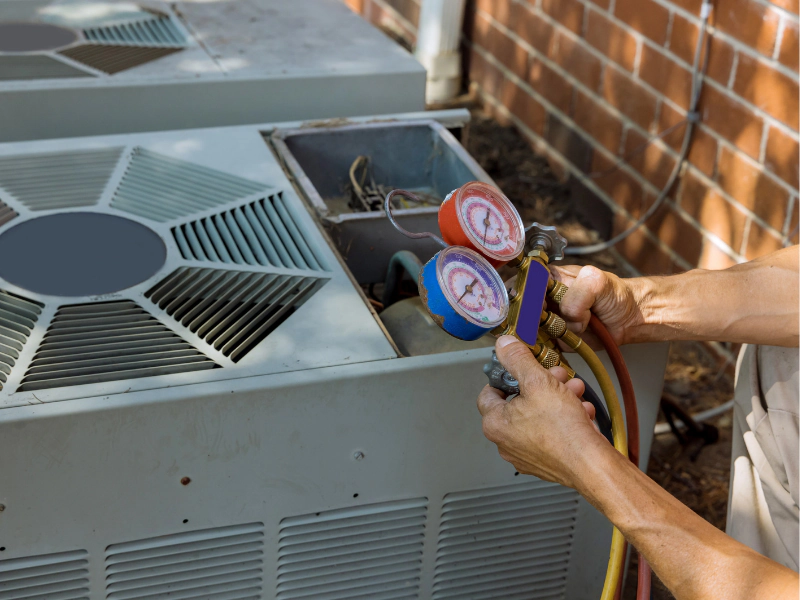
Your heating and cooling system works hard throughout the year to keep your home comfortable. Like any mechanical equipment, it needs regular care to perform at its best. Many homeowners wait until something breaks before calling for service, but that approach often leads to higher repair costs, unexpected breakdowns, and reduced energy efficiency.
If you’ve ever wondered what is done during HVAC maintenance, you’re not alone. Understanding what happens during a professional service appointment can help you appreciate the value of routine care and make informed decisions about your home’s comfort system.
In this guide, we’ll explain what technicians inspect during a maintenance visit, why HVAC system maintenance is important, and how a preventative maintenance program can save you money over time.
Why HVAC Maintenance Matters
Your HVAC system contains many moving parts that experience wear with everyday use. Dust, dirt, loose electrical connections, and aging components can gradually reduce performance if they aren’t addressed.
Routine maintenance helps:
- Improve heating and cooling efficiency
- Reduce monthly energy costs
- Extend equipment lifespan
- Improve indoor comfort
- Lower the risk of unexpected breakdowns
- Identify small problems before they become major repairs
- Support safe system operation
Whether your system is brand new or several years old, regular servicing is one of the best investments you can make.
What Is Done During HVAC Maintenance?
Every home and HVAC system is different, but a professional maintenance appointment generally follows a detailed inspection process. A technician evaluates the entire system to ensure everything is operating safely and efficiently.
A typical HVAC maintenance checklist may include the following:
1. Replace or Inspect Air Filters
Dirty air filters restrict airflow, forcing the system to work harder. During maintenance, the technician inspects the filter and replaces it if needed or recommends replacement if the homeowner provides filters.
Clean filters help improve airflow, indoor air quality, and system efficiency.
2. Inspect Thermostat Operation
The thermostat is tested to ensure it communicates correctly with the heating and cooling equipment. If the temperature readings are inaccurate or programming isn’t functioning properly, adjustments may be recommended.
3. Clean Indoor and Outdoor Components
Dust and debris naturally build up over time.
Maintenance often includes cleaning:
- Evaporator components
- Condensate drain lines
- Outdoor condenser coils
- Accessible blower components
- Drain pans
Keeping these components clean helps the system operate more efficiently.
4. Check Refrigerant Levels
If your air conditioner or heat pump uses refrigerant, the technician checks operating pressures and looks for signs of leaks.
Low refrigerant can reduce cooling performance, increase energy usage, and damage the compressor if left untreated.
5. Inspect Electrical Connections
Electrical components naturally loosen over time because of vibration and normal operation.
Technicians inspect:
- Wiring connections
- Capacitors
- Contactors
- Relays
- Voltage readings
- Amperage draw
Identifying electrical problems early can prevent future failures.
6. Lubricate Moving Parts
Many HVAC systems contain motors and bearings that require lubrication. Proper lubrication reduces friction and helps minimize unnecessary wear on moving components.
7. Test Safety Controls
Safety switches and controls are tested to ensure the equipment shuts down properly if unsafe operating conditions occur.
These inspections are especially important for heating equipment.
8. Inspect the Blower Assembly
The blower motor is responsible for circulating air throughout your home.
The technician checks:
- Airflow
- Motor performance
- Fan operation
- Belt condition (if applicable)
Proper airflow is essential for both comfort and efficiency.
9. Examine the Heat Exchanger
During furnace maintenance, the heat exchanger is inspected for cracks or damage that could create safety concerns.
Although homeowners rarely see this component, it plays a vital role in safe furnace operation.
10. Evaluate Overall System Performance
Before completing the appointment, the technician tests the entire system through a full heating or cooling cycle to verify proper operation.
Any recommendations are discussed so homeowners understand their system’s current condition.
The Benefits of HVAC Preventative Maintenance
Many expensive HVAC repairs begin as small issues that go unnoticed. Loose electrical connections, dirty coils, clogged drains, or worn components can gradually become larger problems if maintenance is skipped.
HVAC preventative maintenance focuses on finding and correcting these issues before they cause equipment failure.
Benefits include:
- Fewer emergency repairs
- Better energy efficiency
- More consistent indoor temperatures
- Reduced equipment wear
- Improved reliability during extreme weather
- Longer system lifespan
Preventative care often costs far less than replacing major HVAC components after a breakdown.
Why Annual HVAC Maintenance Is Recommended
Most manufacturers recommend annual HVAC maintenance to keep systems operating properly.
Homes with both heating and air conditioning often benefit from two service visits each year:
- Spring maintenance before cooling season
- Fall maintenance before heating season
This schedule helps prepare the equipment before periods of heavy use and gives technicians an opportunity to identify potential issues early.
Waiting until the first extremely hot or cold day of the year increases the chance of discovering problems when you need your system the most.
What Homeowners Can Do Between Professional Visits
While professional service is essential, homeowners can perform several simple maintenance tasks throughout the year.
These include:
1. Change Air Filters Regularly
Check filters every one to three months and replace them when dirty.
2. Keep Outdoor Units Clear
Remove leaves, grass clippings, weeds, and debris from around the outdoor condenser to allow proper airflow.
3. Keep Air Vents Open
Blocked supply and return vents reduce airflow and can make the system work harder.
4. Watch for Unusual Changes
If you notice strange noises, weak airflow, unpleasant odors, or inconsistent temperatures, schedule service before the issue worsens.
5. Monitor Your Thermostat
Confirm that your thermostat settings match your comfort preferences and that temperatures remain consistent throughout your home.
Maintenance Tasks Best Left to Professionals
Although homeowners can handle basic upkeep, many HVAC components require specialized training and equipment.
Professional technicians should always handle:
- Refrigerant testing and charging
- Electrical repairs
- Gas furnace inspections
- Heat exchanger inspections
- Motor repairs
- Coil cleaning
- System performance testing
- Safety control inspections
Attempting these repairs without proper experience can create safety risks and may cause additional damage to your equipment.
Is an HVAC Maintenance Plan Worth It?
Many homeowners choose to enroll in an HVAC maintenance plan because it simplifies routine service and helps ensure maintenance isn’t forgotten.
Maintenance plans often include:
- Scheduled inspections
- Priority service
- Discounts on repairs
- Regular system tune-ups
- Improved equipment reliability
Instead of remembering when service is due, homeowners receive scheduled maintenance at the appropriate time each year.
For many families, this offers added convenience while helping protect one of the home’s most valuable systems.
How HVAC Maintenance Saves Money
Some homeowners hesitate to schedule maintenance because the system appears to be working normally.
However, routine service often saves money by:
- Lowering monthly utility bills through improved efficiency
- Reducing the likelihood of major repairs
- Extending equipment life
- Preventing emergency service calls
- Improving overall system performance
Small investments in maintenance today can help avoid much larger expenses in the future.
Schedule HVAC Maintenance Before Problems Start
Understanding what is done during HVAC maintenance makes it easier to see why routine service is such an important part of homeownership. A professional inspection helps keep your heating and cooling equipment operating safely, efficiently, and reliably throughout the year.
Whether you’re preparing for summer, getting ready for winter, or simply following a regular maintenance schedule, professional HVAC service provides valuable peace of mind. Combined with simple homeowner maintenance between visits, routine inspections can help your system deliver dependable comfort for years to come.
If it’s been more than a year since your last service appointment, now is the perfect time to schedule HVAC system maintenance and keep your heating and cooling equipment ready for every season.