April 29, 2026
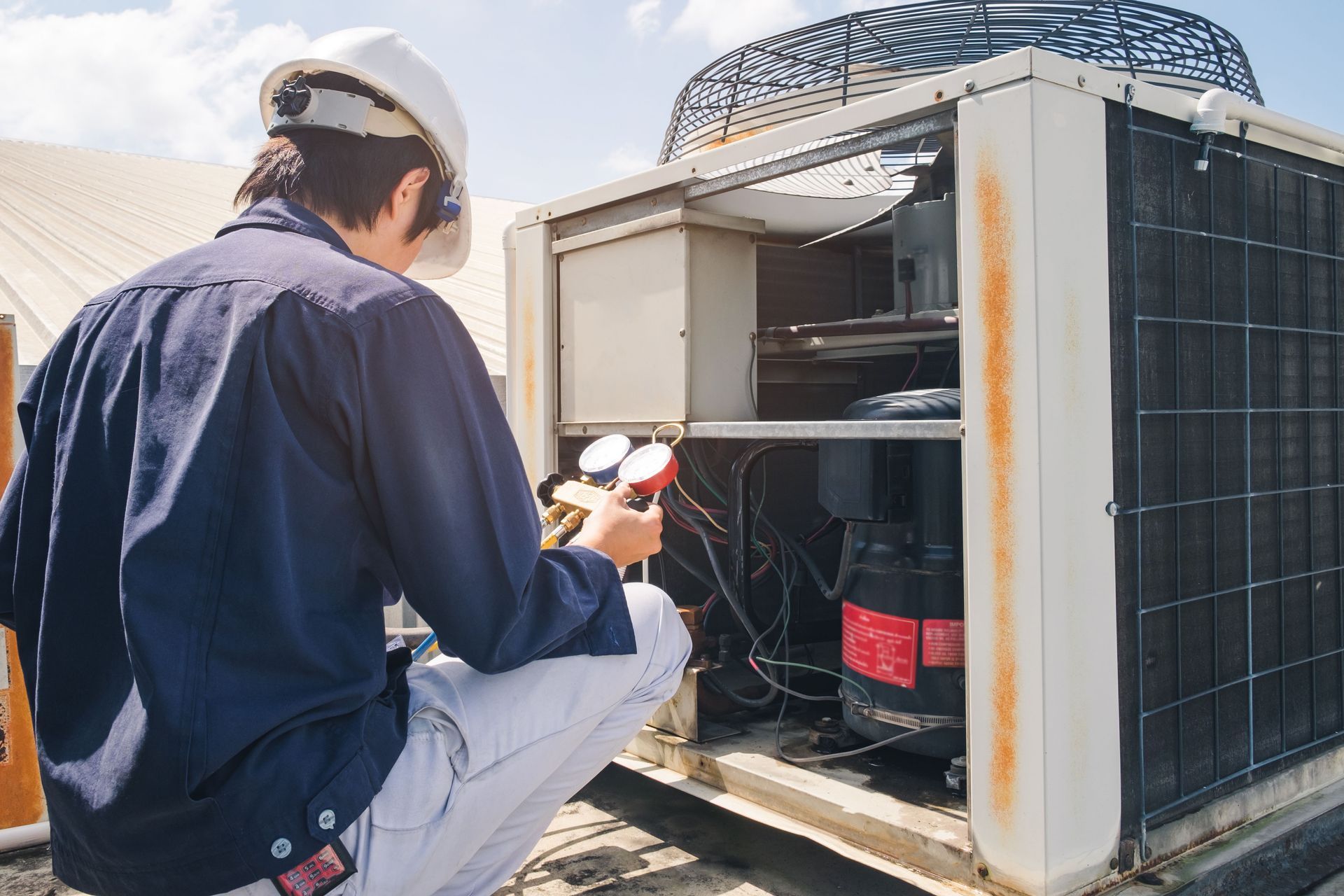
Commercial HVAC systems play a major role in maintaining comfortable and productive indoor environments for businesses of all sizes. These systems regulate temperature, airflow, and humidity in spaces where consistent climate control is essential for employees, customers, and equipment. Unlike residential units, commercial systems are built for far greater demand and complexity. According to SkillCat, commercial HVAC systems deliver between 2.8 and 28 tons of refrigeration, far exceeding the output of residential systems. That level of capacity highlights just how much responsibility these systems carry in supporting daily operations.
Because of their size and complexity, commercial HVAC systems require consistent attention to remain efficient and reliable. Even minor issues can quickly escalate into larger disruptions that affect comfort and productivity. Routine commercial HVAC service helps identify early warning signs, maintain energy efficiency, and reduce unexpected downtime. When these systems are properly maintained, businesses can avoid costly interruptions while keeping indoor environments stable and comfortable throughout the year.
Importance of Maintenance Consistency in Commercial HVAC Service
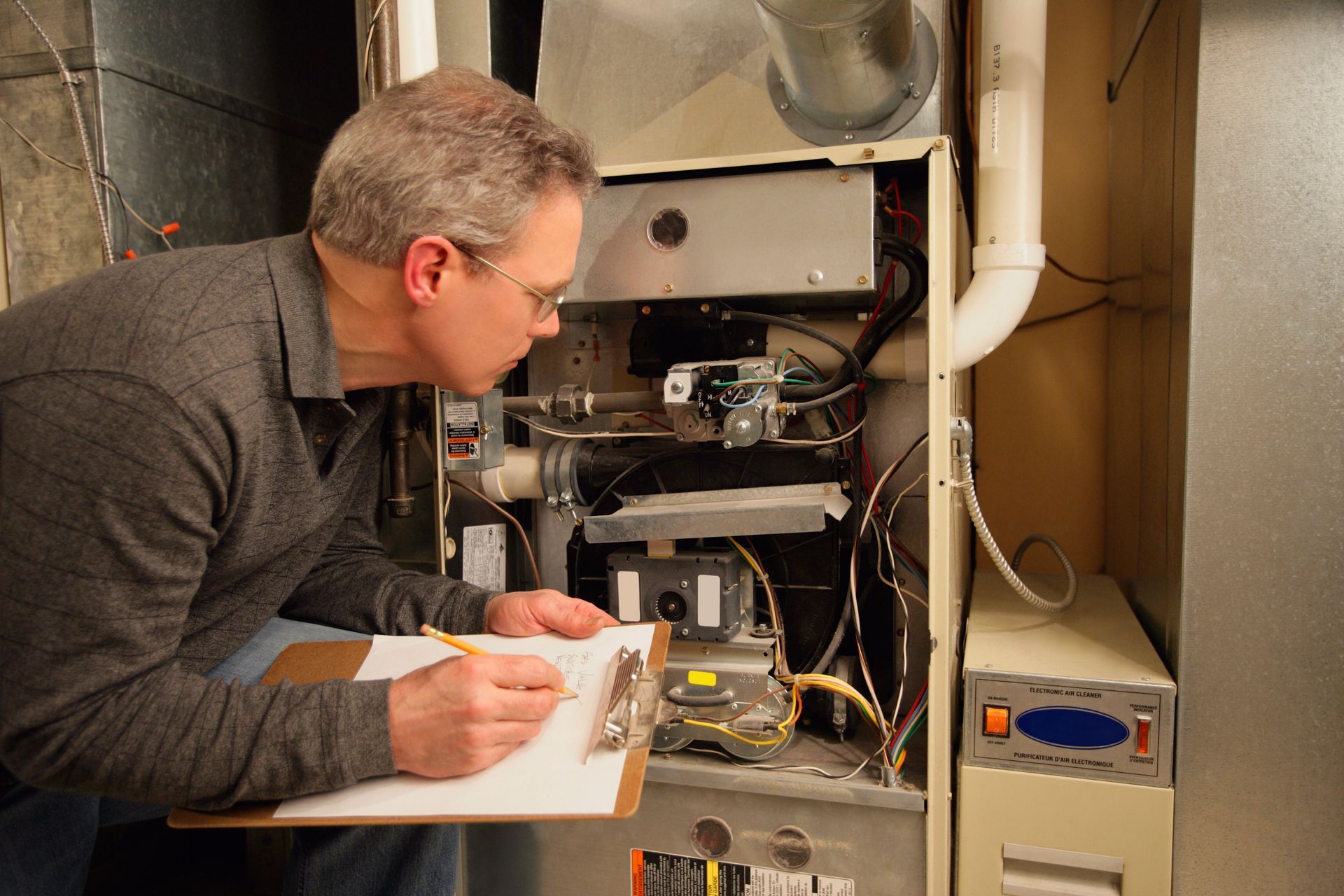
Regular maintenance is one of the most important factors in keeping commercial HVAC systems operating at peak performance. When inspections are skipped, small issues such as worn components or airflow restrictions often go unnoticed until they develop into more serious failures. These problems can disrupt business operations and lead to expensive emergency repairs. Scheduled commercial HVAC service helps prevent these situations by identifying concerns early and addressing them before they worsen.
Air filters also play a critical role in system efficiency and are often overlooked during routine maintenance. When filters become clogged, airflow is restricted, forcing the system to work harder and consume more energy. This not only increases utility costs but also places unnecessary strain on internal components. Replacing filters regularly helps maintain clean airflow, improve indoor air quality, and support overall system performance.
Ignoring small repairs is another common issue that affects long-term system reliability. Minor leaks, loose connections, or malfunctioning sensors may seem insignificant at first, but they can quickly escalate into major system failures. Timely attention to these issues during commercial HVAC service visits helps reduce repair costs and extends equipment lifespan. Maintaining detailed service records also supports better long-term system management by tracking recurring issues and identifying patterns that require attention.
Electrical System Failures in Commercial HVAC Service
Electrical issues are among the most common problems found in commercial HVAC systems, and they can significantly impact performance. Faulty wiring, for example, may lead to inconsistent operation or complete system shutdowns. In some cases, poor electrical connections can even create safety hazards if left unaddressed. Routine commercial HVAC service includes electrical inspections that help identify these risks before they escalate.
Circuit breaker problems are another frequent concern in larger HVAC systems. When breakers trip repeatedly, it often indicates an underlying issue such as overload or short circuits. These disruptions can interrupt heating and cooling cycles, creating uncomfortable indoor conditions. Addressing breaker issues quickly helps restore stable system operation and prevents further electrical damage.
Motor and sensor failures also fall under common electrical-related issues. Motors are responsible for driving key system functions, and when they fail, overall performance is affected. Sensors, on the other hand, regulate temperature and airflow by providing real-time feedback. If sensors malfunction, the system may deliver inaccurate heating or cooling. Regular commercial HVAC service helps ensure these components remain calibrated and functioning correctly.
Refrigerant System Challenges in Commercial HVAC Service
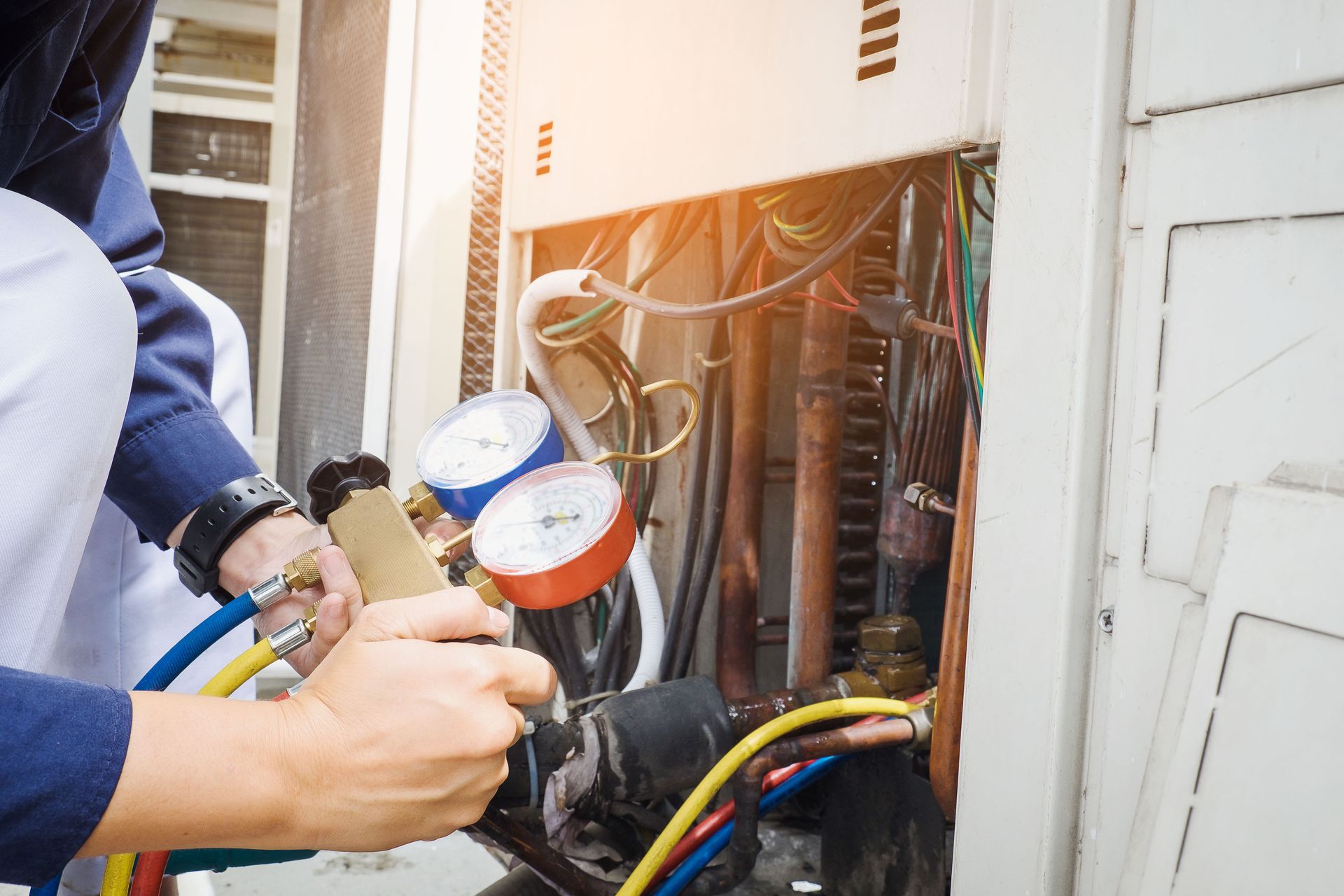
Refrigerant leaks are a significant issue that can reduce system efficiency and increase operating costs. Leaks often develop due to corrosion, poor installation, or aging components. When refrigerant levels drop, the system must work harder to maintain desired temperatures, leading to increased energy consumption and wear. Addressing leaks early is a key part of effective commercial HVAC service.
System performance is directly affected when refrigerant levels are not properly maintained. Reduced cooling capacity can lead to inconsistent temperatures throughout a building, impacting comfort and productivity. In some cases, ice buildup on coils may also occur, further reducing efficiency. These symptoms often signal the need for immediate inspection and repair.
Leak detection equipment can identify problem areas that are not visible during standard inspections. Once identified, repairs may involve sealing leaks or replacing damaged components. Preventive maintenance plays a major role in reducing the likelihood of refrigerant issues and maintaining consistent system performance.
Airflow Disruptions in Commercial HVAC Service
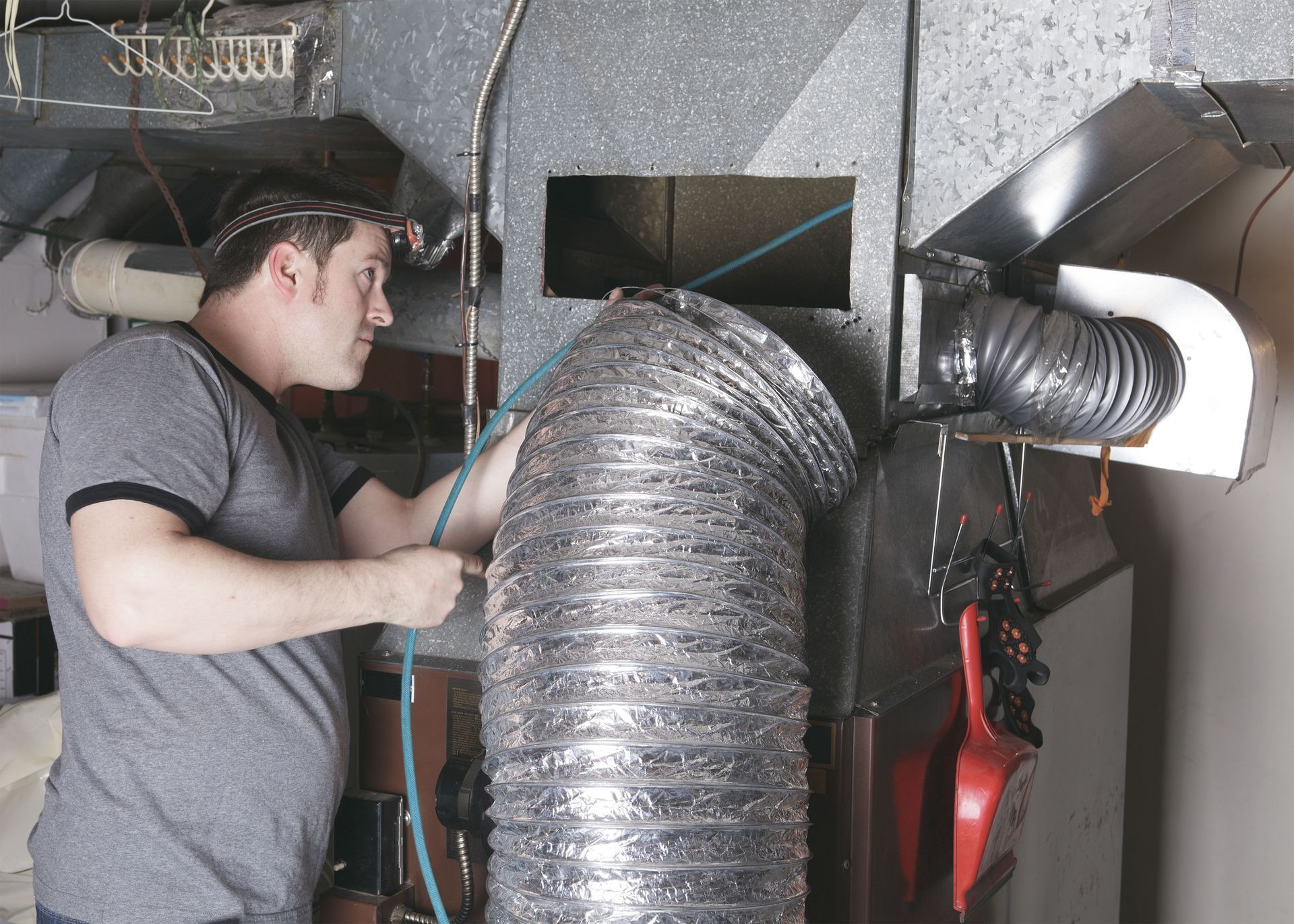
Poor airflow is another common issue that affects commercial HVAC systems and overall building comfort. Blocked ducts are often a primary cause, as dust and debris can accumulate over time and restrict air movement. When airflow is obstructed, the system must work harder to distribute conditioned air evenly throughout the building. Regular cleaning and commercial HVAC service help prevent these blockages.
Fan-related problems can also contribute to airflow inefficiencies. Fans are responsible for circulating air through the system, and when they become worn or misaligned, airflow decreases significantly. This can lead to uneven temperatures and higher energy usage. Routine inspections help identify fan issues early and maintain proper circulation.
Air balancing issues and damaged vents further impact airflow performance. When air is not distributed evenly, certain areas of a building may become too hot or too cold. Damaged vents or poorly adjusted dampers can worsen this imbalance. Addressing these concerns through commercial HVAC service helps maintain consistent indoor conditions and improves overall system efficiency.
Thermostat and Control Issues in Commercial HVAC Service
Thermostat malfunctions can create significant disruptions in commercial HVAC systems. Incorrect calibration is a common issue that leads to inaccurate temperature readings and inconsistent climate control. When this occurs, the system may run longer than necessary or shut off prematurely, reducing efficiency and comfort.
Sensor placement also plays a major role in thermostat accuracy. If sensors are located near heat sources or in direct sunlight, they may provide misleading readings. This can cause the system to overcompensate, resulting in uneven temperatures throughout the building. Proper placement and calibration during commercial HVAC service help prevent these issues.
Connectivity and programming errors are additional concerns in modern systems. Digital thermostats rely on accurate programming and stable communication with HVAC units. When errors occur, system performance becomes unpredictable. Regular checks and updates during commercial HVAC service help maintain proper function and energy efficiency.
Water and Drainage Problems in Commercial HVAC Service
Drainage issues are a frequent source of HVAC system complications, particularly in larger commercial setups. Clogged drain lines can lead to water buildup and leakage, which may damage surrounding equipment or building structures. Routine cleaning helps prevent blockages and supports proper system drainage.
Condensation control is another important factor in maintaining system efficiency. When humidity levels are not properly managed, excess moisture can accumulate within the system. This can lead to mold growth and reduced air quality. Effective commercial HVAC service includes monitoring humidity levels and adjusting system settings as needed.
Commercial HVAC systems are essential for maintaining comfortable and functional business environments, but their complexity makes them vulnerable to a wide range of issues. From electrical failures and refrigerant leaks to airflow disruptions and drainage problems, each component plays a critical role in overall system performance. Regular maintenance through commercial HVAC service helps identify these issues early, reducing downtime and improving efficiency.
By staying proactive with inspections, repairs, and system monitoring, businesses can avoid costly breakdowns and maintain consistent indoor comfort. Investing in routine
commercial HVAC service supports long-term performance, energy efficiency, and workplace productivity. Schedule your next service appointment today with Tropic Air Heating and Cooling and keep your system operating at its best year-round.