March 3, 2026
Your HVAC system plays a vital role in keeping your home comfortable throughout the year. When something goes wrong, it can quickly disrupt your daily routine and drive up energy costs. Understanding the most common HVAC problems homeowners face can help you recognize early warning signs and schedule HVAC repairs before small issues turn into major breakdowns.
1. Experiencing Inconsistent Heating or Cooling
One of the most frequent complaints homeowners have is uneven temperatures throughout the house. Some rooms may feel too warm while others remain chilly, even when the thermostat is set correctly. This issue can stem from blocked vents, ductwork leaks, dirty filters, or failing components within the system.
Inconsistent heating or cooling often signals airflow problems or an aging system struggling to distribute conditioned air properly. Addressing these concerns early with professional HVAC system repairs can restore balance and improve overall comfort. Ignoring the problem may force your system to work harder, increasing wear and tear over time.
2. Hearing Unusual Noises During Operation
HVAC systems are not completely silent, but loud or unusual sounds should never be ignored. Banging, rattling, screeching, or grinding noises often indicate loose components, motor issues, or debris inside the unit. These sounds typically worsen if left unaddressed.
Mechanical problems rarely resolve themselves. In fact, continuing to run a noisy system can cause further damage to internal parts. Prompt HVAC repairs can identify the source of the noise and prevent more expensive fixes down the line.
3. Noticing Reduced Airflow
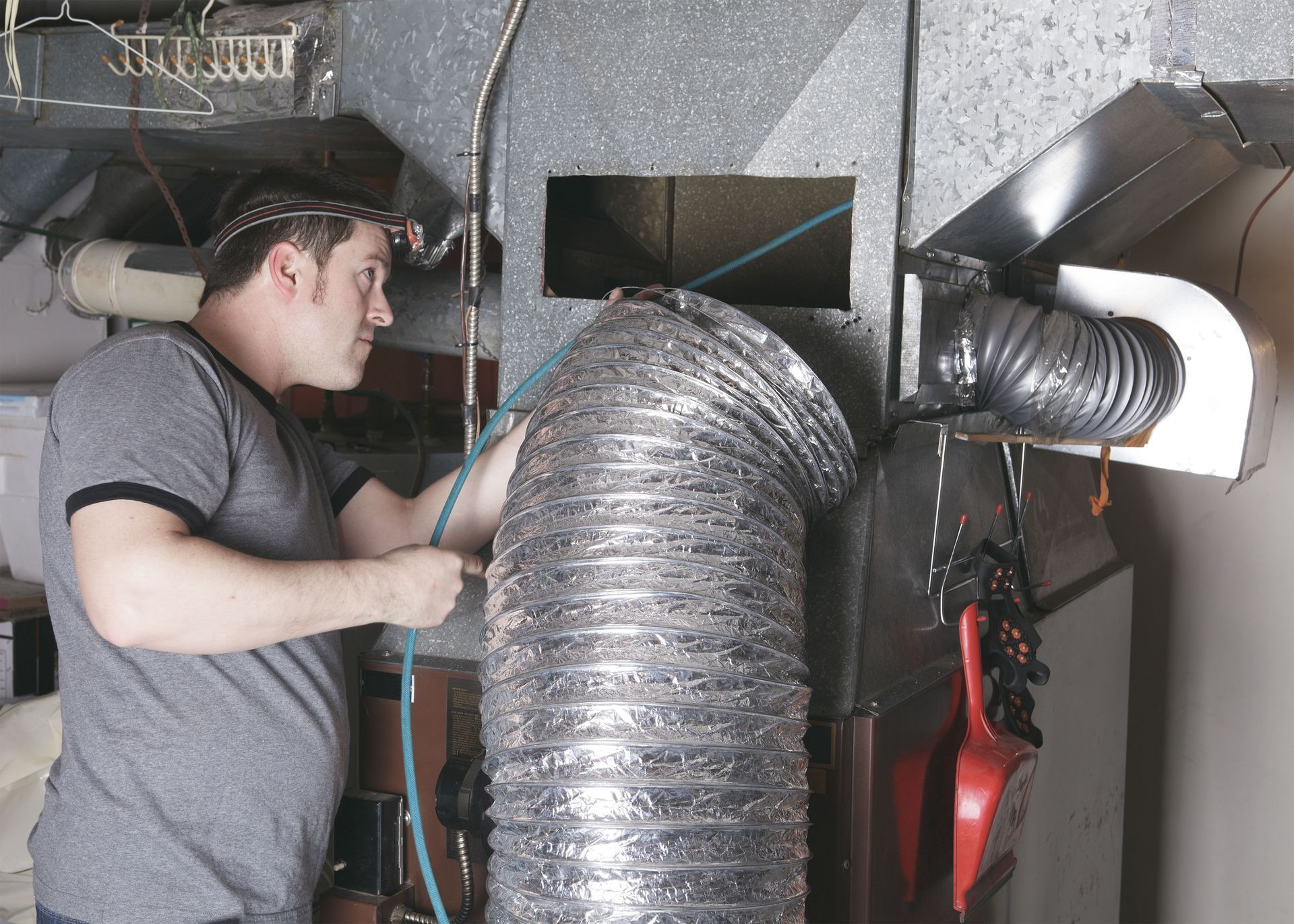
If air is barely coming through your vents, there may be an issue with the blower motor, ductwork, or air filter. Restricted airflow makes it difficult to maintain your desired temperature and can leave certain areas of your home uncomfortable.
Clogged filters are one of the simplest culprits, but more complex problems such as duct obstructions or failing fans may require professional attention. Addressing airflow issues through timely HVAC system repairs helps your system operate more efficiently and prevents unnecessary strain.
4. Dealing With Frequent System Cycling
Short cycling occurs when your HVAC system turns on and off repeatedly without completing a full heating or cooling cycle. This behavior can be caused by thermostat malfunctions, dirty coils, refrigerant imbalances, or an improperly sized system.
Frequent cycling reduces efficiency and increases energy bills. It also puts additional stress on critical components, potentially shortening the lifespan of your equipment. Identifying the root cause and scheduling HVAC repairs can stabilize performance and extend system longevity.
5. Experiencing Thermostat Malfunctions
Sometimes the issue is not with the HVAC unit itself but with the thermostat controlling it. If your thermostat displays incorrect temperatures, fails to respond, or does not communicate properly with the system, comfort will suffer.
Wiring issues, outdated models, or calibration problems may all contribute to thermostat malfunctions. Replacing or repairing the thermostat is often a straightforward solution, but a professional evaluation ensures there are no underlying system concerns contributing to the problem.
6. Facing Refrigerant Leaks in Air Conditioning Units
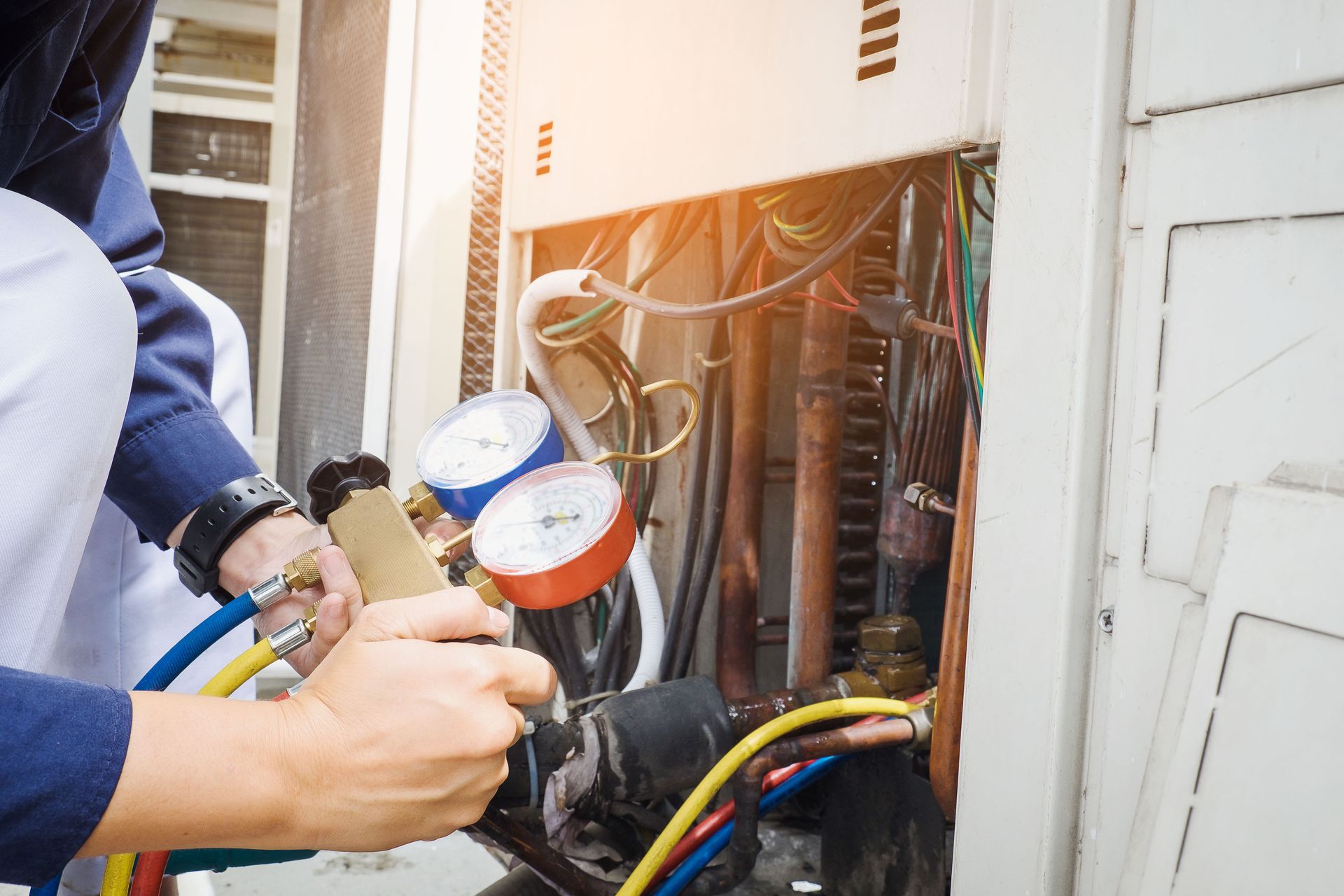
Air conditioners rely on refrigerant to remove heat from your home. If refrigerant levels drop due to leaks, your system will struggle to cool effectively. You may notice warm air coming from vents, ice forming on coils, or a noticeable increase in energy consumption.
Refrigerant issues require immediate professional attention. Handling refrigerant improperly can be hazardous and may cause further damage to the system. Timely HVAC system repairs can seal leaks, recharge refrigerant levels, and restore cooling performance.
7. Observing Frozen Evaporator Coils
Frozen evaporator coils are a common air conditioning issue, particularly during hot summer months. When airflow is restricted or refrigerant levels are low, coils can become too cold and freeze over. This prevents the system from properly absorbing heat.
If you see ice buildup on the indoor unit or notice reduced cooling, turn off the system and call for service. Running the unit while coils are frozen can damage the compressor. Professional HVAC system repairs will address the underlying cause and prevent recurrence.
8. Detecting Strange or Unpleasant Odors
Unusual smells coming from your vents can indicate a variety of problems. Musty odors may signal mold growth in ductwork or on evaporator coils, while burning smells could point to electrical issues or overheating components.
Odors should never be ignored, as they may impact indoor air quality and pose safety risks. A thorough inspection and appropriate HVAC repairs can eliminate the source of the smell and restore clean airflow throughout your home.
9. Encountering Electrical or Ignition Issues
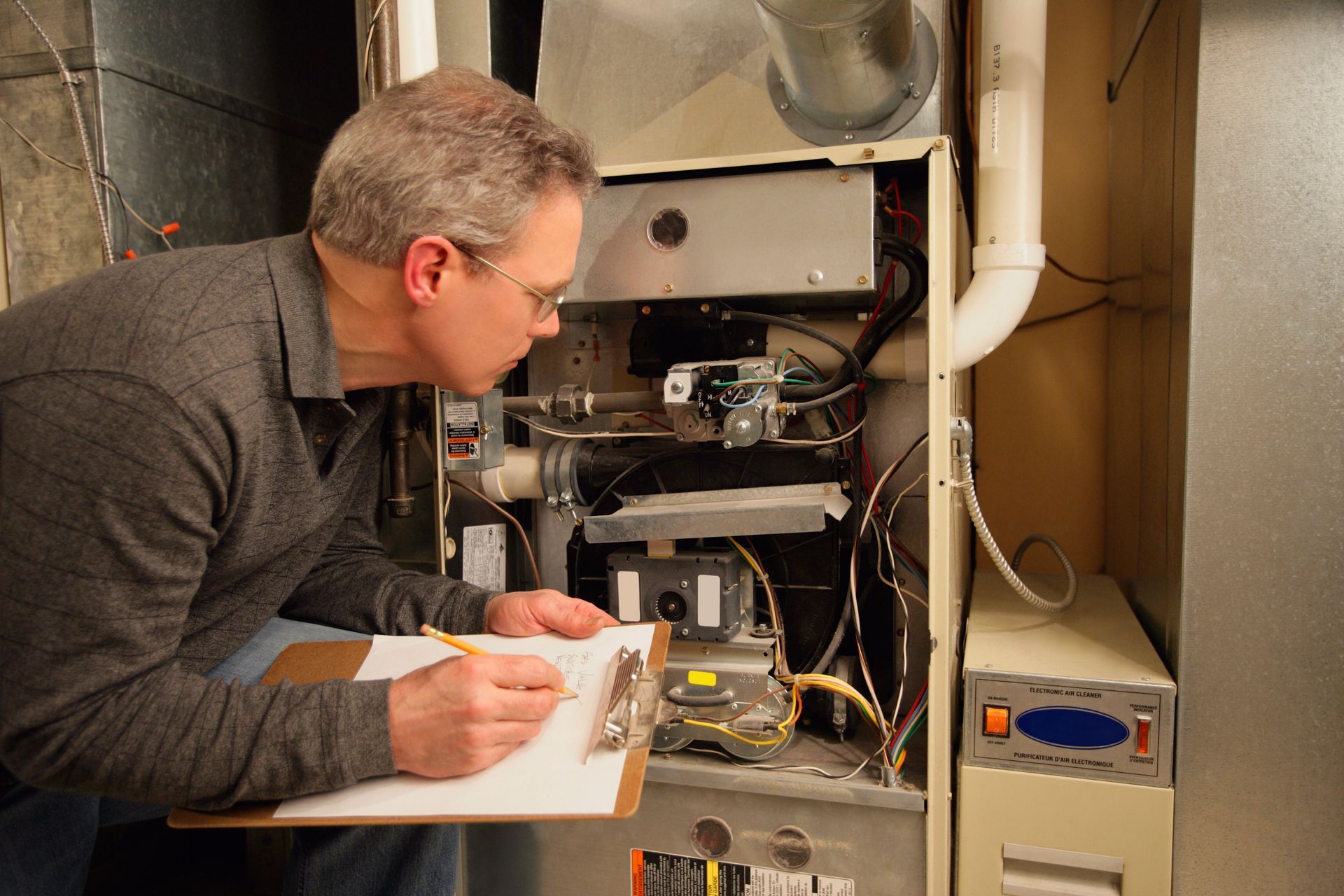
Electrical components are essential to your HVAC system’s operation. Faulty wiring, worn capacitors, or failing relays can prevent the system from starting or cause it to shut down unexpectedly. Furnaces may also experience ignition problems that disrupt heating cycles.
Electrical issues require skilled diagnosis to ensure safe and effective repairs. Attempting to fix wiring problems without proper training can be dangerous. Professional HVAC system repairs help restore reliable performance while maintaining safety standards.
10. Managing Dirty or Clogged Air Filters
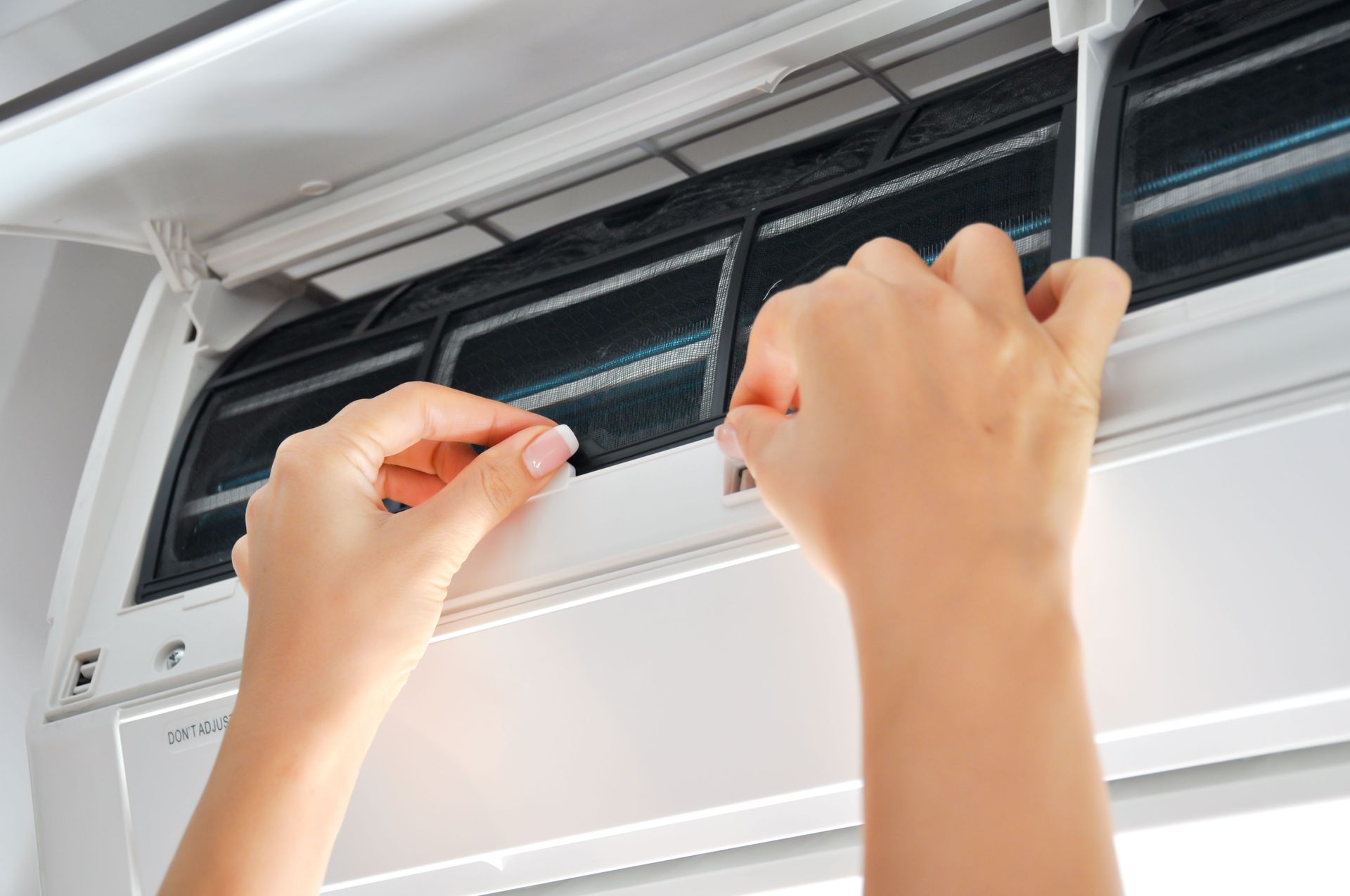
Although replacing air filters is a simple maintenance task, neglecting it can lead to serious performance issues. Dirty filters restrict airflow, reduce efficiency, and contribute to poor indoor air quality. Over time, clogged filters can cause overheating and system damage.
Homeowners should check filters regularly and replace them as recommended. If clogged filters have already caused strain on the system, professional HVAC repairs may be necessary to address any resulting damage.
11. Dealing With Leaking or Blocked Drain Lines
Air conditioners remove moisture from the air, which is then drained away through a condensate line. If this line becomes clogged, water can back up and cause leaks around the unit. Excess moisture may lead to water damage or mold growth.
Clearing drain lines and ensuring proper drainage helps prevent costly repairs to both the HVAC system and surrounding areas. Addressing water issues promptly protects your home and keeps your cooling system functioning properly.
12. Coping With Aging or Worn-Out Components
Like any mechanical system, HVAC equipment experiences wear and tear over time. Belts, bearings, motors, and compressors can degrade after years of operation. Older systems may require more frequent service and experience declining efficiency.
If your unit is approaching the end of its expected lifespan, ongoing HVAC system repairs may become more common. While repairs can extend usability, it is important to evaluate whether continued service or replacement makes better financial sense.
13. Waiting Longer Than Expected for Repairs
Homeowners often wonder how long service will take once a problem is identified. Repair timelines can vary widely depending on the complexity of the issue and the availability of parts. According to HomeGuide, AC repairs can take anywhere from one to eight hours, depending on which part needs attention.
Understanding this range helps set realistic expectations. Simple fixes such as capacitor replacements may be completed quickly, while compressor or coil issues may require more time. Prompt scheduling of HVAC repairs minimizes downtime and restores comfort as efficiently as possible.
HVAC systems are complex, and problems can arise for many different reasons. By recognizing these common issues early, homeowners can avoid unexpected breakdowns and costly damage. Proactive maintenance and timely HVAC system repairs ensure your system operates efficiently, safely, and reliably throughout every season. If you are looking for a reliable HVAC company for your home, contact Tropic Air Heating and Cooling today to learn more and get started!